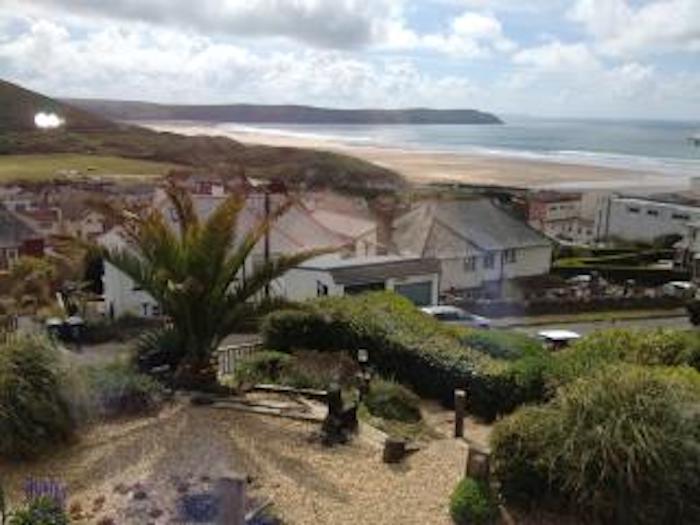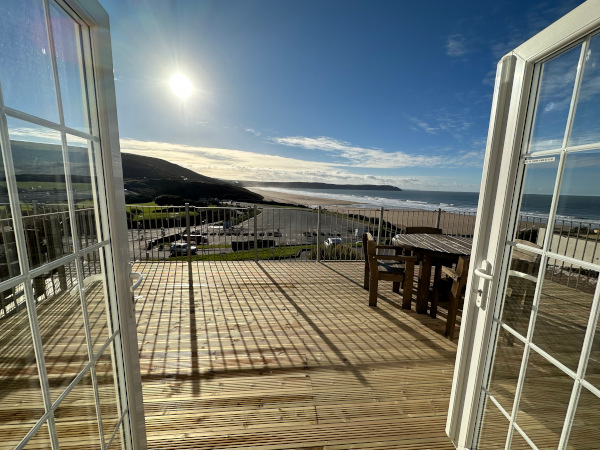
When you picture Woolacombe, it’s usually the same stunning image: three miles of golden sand, rolling Atlantic surf, and dramatic green cliffs. It’s the jewel of North Devon’s coast, famous for its water sports and family fun. But if you look past the dunes and the surfboards, you’ll discover that Woolacombe Bay has a past as wild and rugged as its scenery. From shipwrecks and smugglers to Iron Age forts and D-Day heroics, here is your guide to the history and natural beauty waiting just off the sand.
The Dark Legend of the "Mortemen"
Start your historical adventure in the quiet village of Mortehoe, perched on the headland just north of Woolacombe. The name says it all—Morte is Latin for death. This isn’t just a quaint fishing village; it’s a place with a morbid past.
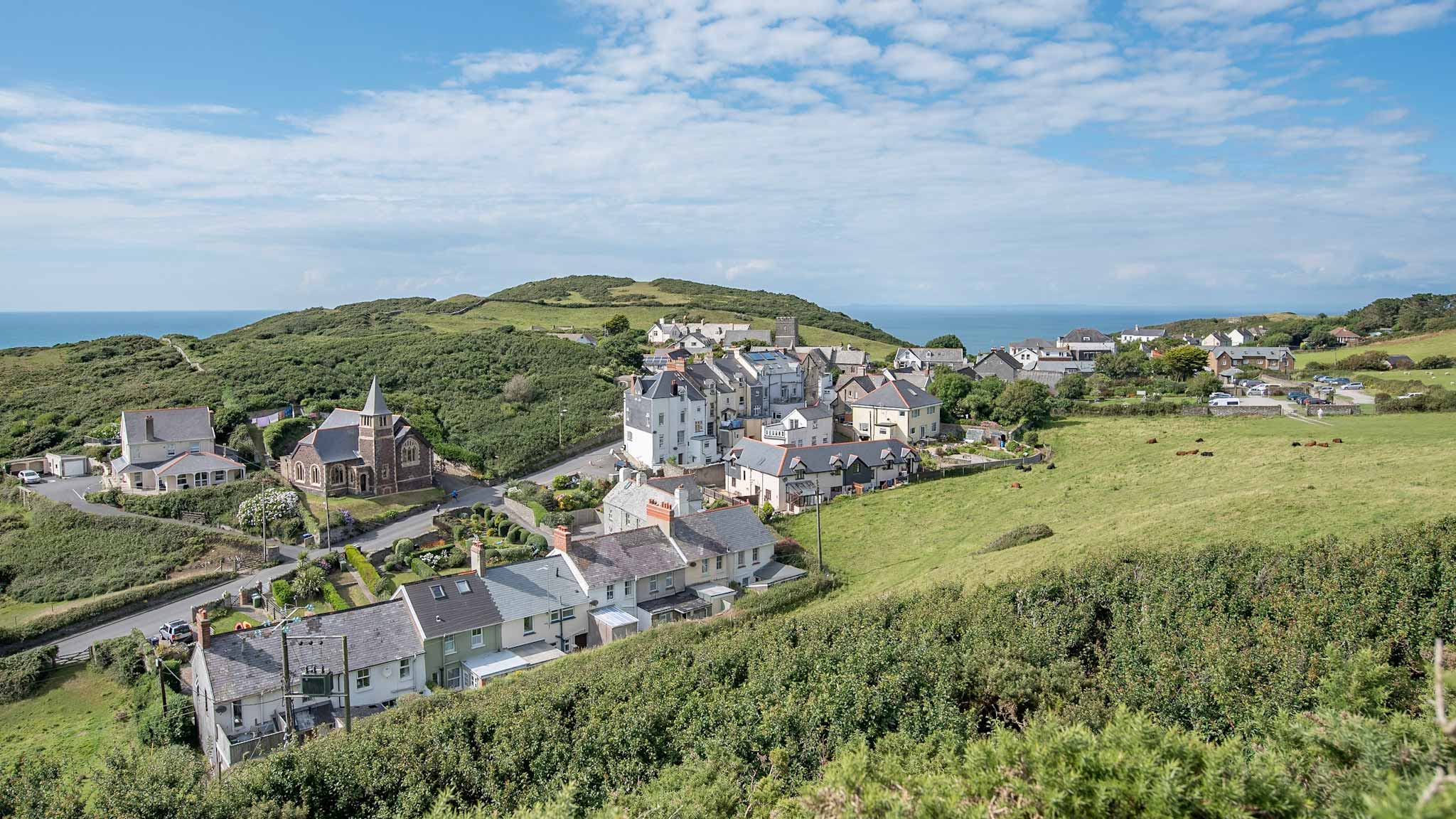
Look out toward the jagged rocks of Morte Point and Bull Point. These "Morte Slates" were the graveyard of countless ships. Local legend tells of the "Mortemen," wreckers who would tie lanterns to animals or set false lights on the cliffs. Sailors, mistaking the bobbing lights for safe harbour entrance, would steer their ships directly onto the rocks. As the ships foundered, the wreckers would plunder the cargo—and legend says, ensure no survivors were left to testify.
You can walk this rugged headland today via the South West Coast Path. It’s an easy, family-friendly route (approx. 2 miles) where you can spot the preserved remains of WWII pillboxes. During the war, the coastline here was used to train troops for the D-Day landings, practicing on beaches that looked just like Normandy.
Victorian Glamour & Ancient Sands
Back in Woolacombe village, the vibe shifts from sinister to sophisticated. For 800 years, the beach was owned by the Chichester family, but it wasn’t until the late 19th century that Woolacombe became a resort. Architect Arnold Thorne transformed the sleepy farming hamlet into a Victorian and Edwardian escape. Keep an eye out for the grand villas as you wander the side streets—they are remnants of a time when this was Britain’s premier "sea-bathing" destination.
Of course, the landscape here is older than any building. The vast dunes at the northern end of the beach, known as Woolacombe Warren, are part of the North Devon Coast National Landscape (formerly an AONB). This area is a Site of Special Scientific Interest (SSSI), a fragile habitat that has been painstakingly restored after being torn up by military vehicles during the war.
Beyond Woolacombe: Baggy Point & Clovelly
If you are willing to venture slightly further, two sights are unmissable:
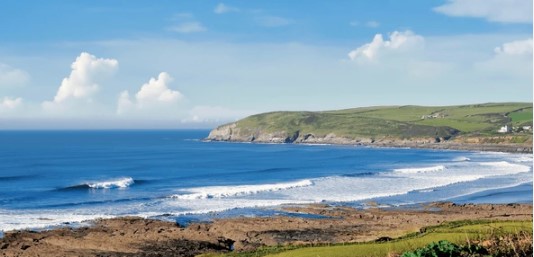
Baggy Point (Croyde): Just a short drive or a stunning coastal walk from Woolacombe, this National Trust headland is a treasure trove of geology and military history. Look for the preserved whale bones embedded in the rock and the bunkers left over from WWII training exercises. The views back toward Woolacombe Bay are the postcard shot you came for.
Clovelly: A 30-minute drive west takes you to one of England’s most unique villages. Built on a 400-foot cliff, Clovelly has no cars—just cobbled streets and donkeys carrying supplies. It was once owned by Queen Matilda, wife of William the Conqueror, and has inspired writers like Charles Dickens. It’s a steep walk down (don’t worry, there’s a Land Rover taxi for the ride back up!), but the 14th-century harbour is pure magic.
Where Nature Steals the Show
While the history is fascinating, the true beauty of North Devon is the landscape itself. The region is the home to Braunton Burrows, England’s largest sand dune system (the same size as Mount Vesuvius!) and a UNESCO Biosphere Reserve. If you are an early riser, walk the dunes at sunrise; you might spot the rare Dartford Warbler or the grey seals that love to play in the waters off Morte Point.
Plan Your Visit
Woolacombe is the perfect base for these adventures. Whether you are Honeymooners with an eye for local history, or a large family looking for things to see to get the kids off the phones for just a few hours Southover Beach holiday apartments have got your back with modern luxury sea view apartments overlooking the beach with all mod cons like dishwashers and dryers and beach view terraces and a lot cheaper than a Foreign Holiday this year!
So, next time you visit, pack your walking boots along with your swimsuit. Woolacombe isn't just a beach; it's a journey through 800 years of history.
Planning a trip to Southover Beach? Check out our special offers for North Devon accommodation and start planning your historical coastal adventure today