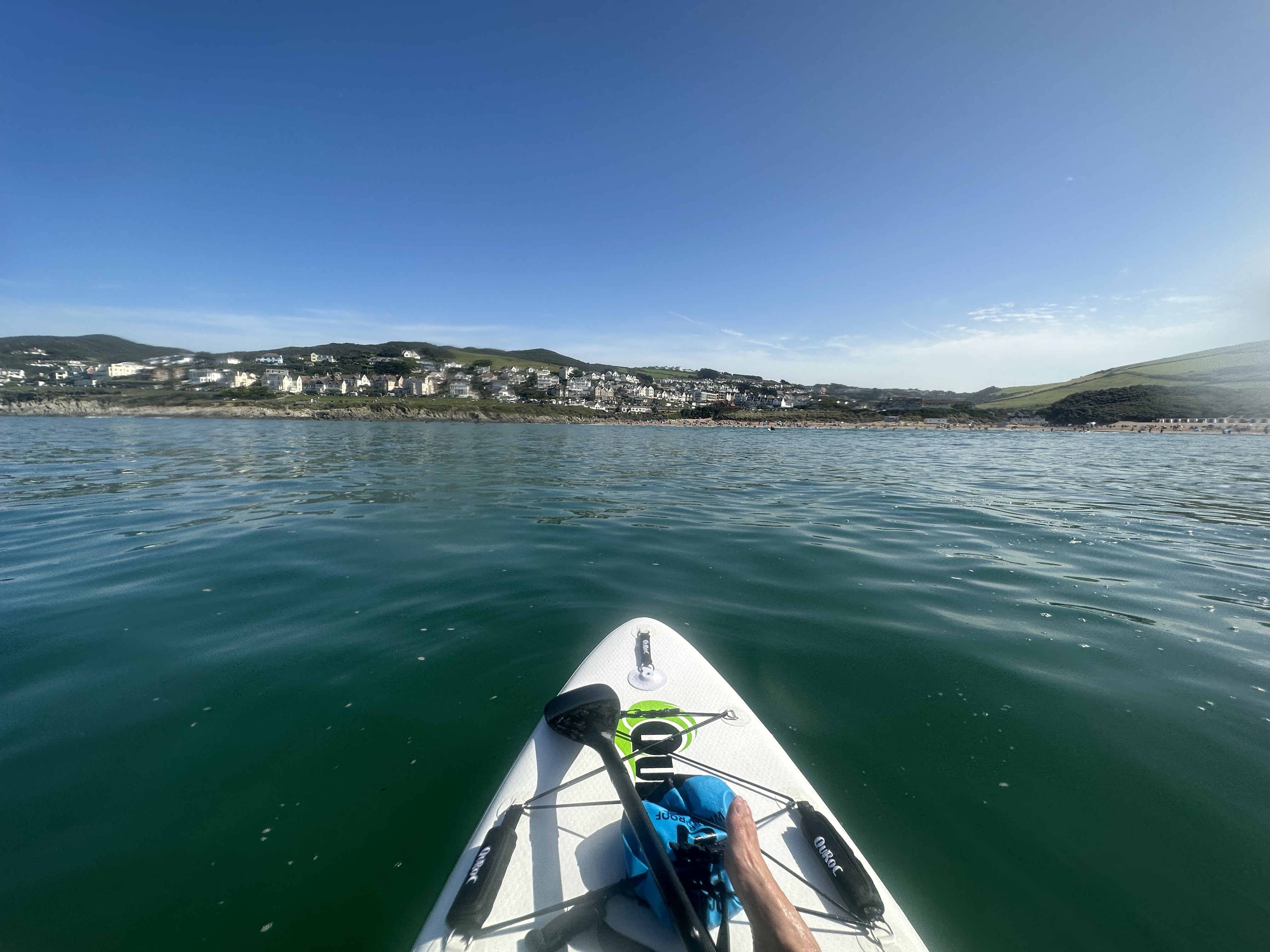

For decades, the allure of foreign shores—with their guaranteed sunshine, olive groves, and cheap euros—has tempted British holidaymakers away from the domestic coastline. However, as we navigate the current travel landscape, the calculus has shifted dramatically. With geopolitical instability in the Middle East causing a ripple effect of skyrocketing flight prices, increased fuel surcharges, and airport chaos, the quintessential British holiday is no longer just a nostalgic option; it is the smartest, most financially prudent, and often most rewarding choice. At the heart of this domestic renaissance lies North Devon, a region that doesn’t just compete with international destinations—it surpasses them.
For the past three years, the travel industry has been volatile. The ongoing conflicts in the Middle East have led to the closure of air corridors, a surge in the price of aviation fuel, and airlines passing unprecedented costs onto consumers. Flights that once cost a modest sum to Europe or the Mediterranean now command premium prices, often exceeding the cost of the accommodation itself. When you factor in baggage fees, transfer costs, and the current weakness of the Pound against the Dollar and Euro, the "cheap abroad" narrative has collapsed. In this climate, North Devon emerges as a bastion of value—not because it is the cheapest option, but because it offers certainty. The price you see for a cottage in Clovelly or a hotel in Woolacombe is the price you pay. There are no currency exchange traps, no expensive airport transfers, and no surprise "tourist taxes" added to your final bill.
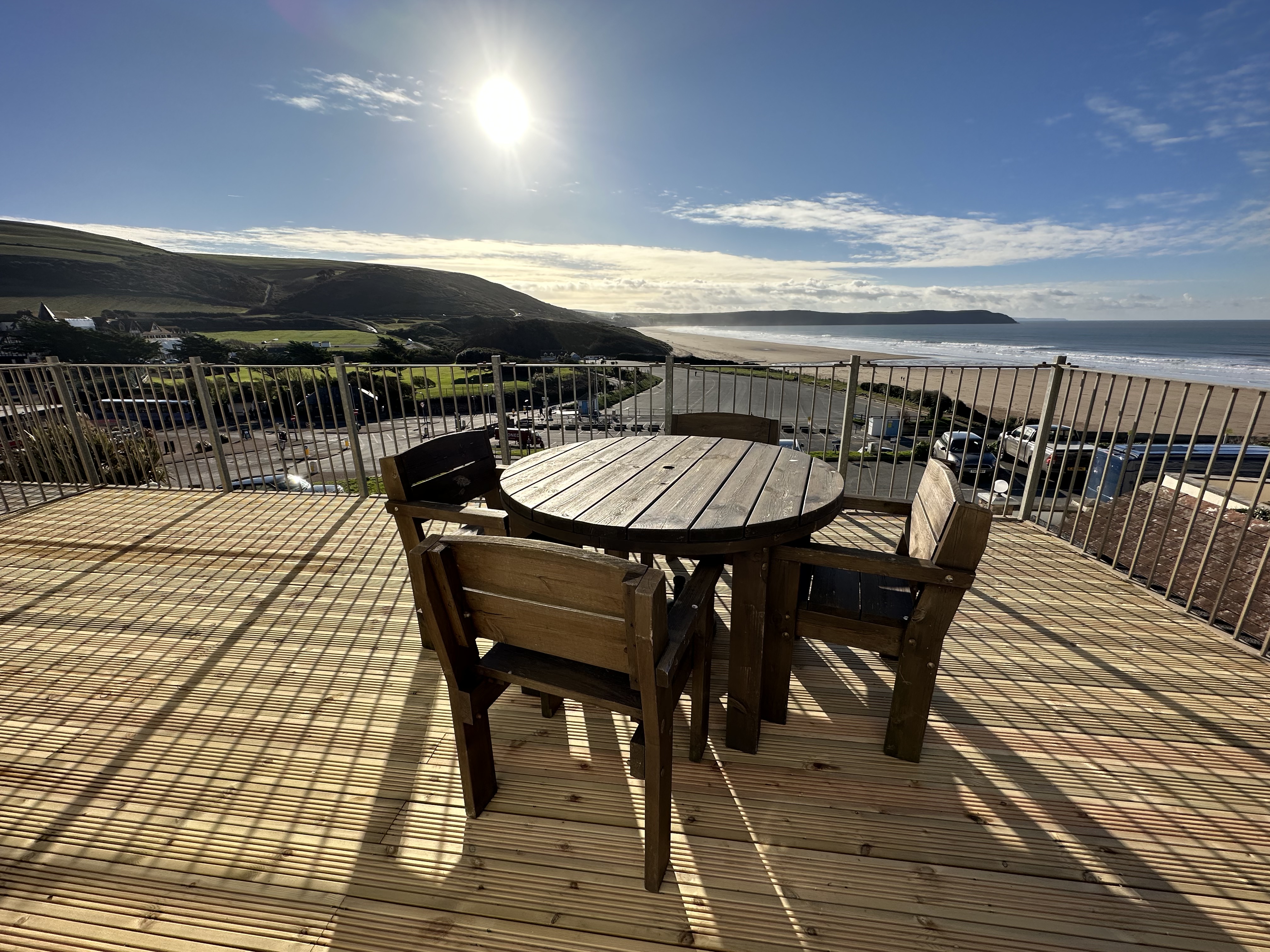
However, value is meaningless without substance. Fortunately, North Devon possesses a geographical pedigree that rivals any Mediterranean hotspot. The region is anchored by the coastlines of the Hartland Devon Heritage Coast and the sprawling sands of Woolacombe Beach, frequently voted one of the best beaches in the world, not just the UK. The quality of the surf here is world-class; the Atlantic rollers that crash onto the golden sands of Croyde, Saunton, and Putsborough offer a surfing experience that draws enthusiasts from across the globe. Unlike the crowded, pebbled shores of the French Riviera or the commercialized beaches of Spain’s Costa del Sol, North Devon’s beaches are vast, pristine, and backed by dramatic, unspoiled National Trust headlands.
For the traveler seeking culture and adventure, North Devon offers a depth that is often lacking in fly-and-flop foreign holidays. The Tarka Trail provides over 30 miles of traffic-free cycling and walking paths, allowing visitors to traverse old railway lines through wooded estuaries, spotting herons and kingfishers—a stark contrast to the noise of Marmaris or the traffic of Majorca. Inland, Exmore National Park was designated Europe’s first International Dark Sky Reserve. In an age where light pollution obscures the cosmos for most of the Western world, lying on a blanket in the Devon countryside to witness the Milky Way with the naked eye is a luxury that no five-star resort in Dubai or Sharm el Sheikh can offer.
Furthermore, the culinary landscape of North Devon has undergone a quiet revolution. The days of the soggy pasty being the sole culinary offering are long gone. The region is now a powerhouse of farm-to-fork dining, boasting a growing number of Michelin-listed pubs and seafood restaurants. The fishing villages of Appledore and Clovelly supply some of the freshest lobster, crab, and line-caught sea bass in the British Isles. When tourists stay domestic, they are not just buying a meal; they are participating in a short supply chain that supports local fishermen and farmers directly—a far cry from the homogenized, frozen-import menus found in many international tourist traps.
The operational ease of a North Devon holiday cannot be overstated in the current climate. With airports like Heathrow and Gatwick currently plagued by staff shortages, strikes, and security queues that can swallow hours of a holiday, driving to North Devon eliminates the "lost days" of travel. The journey from the Midlands or the South East, while lengthy, is under the traveler’s control. There are no baggage carousels to wait at, no passport control queues, and no risk of a last-minute flight cancellation leaving a family stranded. From the moment the car pulls into the driveway of a rented barn conversion or coastal cottage, the holiday begins in earnest, without the cortisol spike associated with air travel.
For families, the financial arithmetic is even more compelling. A two-week holiday abroad for a family of four, once the flight, accommodation, car hire, and spending money are tallied, now often runs into the five-figure sum. North Devon offers a sustainable alternative. The region is a living adventure playground for children—rock pooling at Combe Martin, surfing lessons at Saunton Sands, and the enchanting, car-free streets of Clovelly, where donkeys and sledges replace traffic. Attractions like The Big Sheep and The Milky Way Adventure Park offer guaranteed fun without the need for a passport.
In a time of global uncertainty, there is also an emotional pull to stay closer to home. The wars in the Middle East have underscored how quickly the world can change and how fragile international travel logistics can be. Staying in North Devon offers a sense of security. It allows travelers to enjoy the beauty of the coast while remaining within a few hours of their own homes, should family emergencies arise. There is a comfort in knowing the language, understanding the customs, and having the NHS as a safety net rather than relying on international insurance policies.
North Devon shines today because it offers what the modern traveler increasingly craves: authenticity, space, and security. While the rest of the world grapples with inflation, conflict, and the chaos of air travel, North Devon remains an anchor of stability. It reminds us that we do not need to cross borders to find adventure. We do not need foreign shores to find world-class cuisine or breathtaking landscapes. We need only look to the South West, where the Atlantic meets England, and where the British holiday is not just surviving—it is thriving. Now, with flights soaring to unaffordable heights, is not just a good time to stay in the UK; it is the most logical, beautiful, and rewarding time to do so.
Stay at Southover Beach our pet friendly self-catering apartments on Woolacombe beach with over 8 apartments to choose from a Honeymoon suite to a large apartment sleeping 8 will be sure to give you the break you deserve at a cost you can stomach!