
As the summer crowds thin and the Atlantic breeze takes on a crisp edge, the North Devon coast reveals a different kind of magic. Autumn is arguably the most rewarding season for wildlife enthusiasts, when the landscape transforms into a tapestry of copper and gold, and creatures great and small prepare for the months ahead.
Whether you're staying at Southover Beach or planning a day trip from Woolacombe, the region offers exceptional opportunities to connect with nature. From the rugged cliffs of Baggy Point to the remote shores of Lundy Island, here's your guide to the best wildlife watching this season.
The Mainland: Coastal Encounters
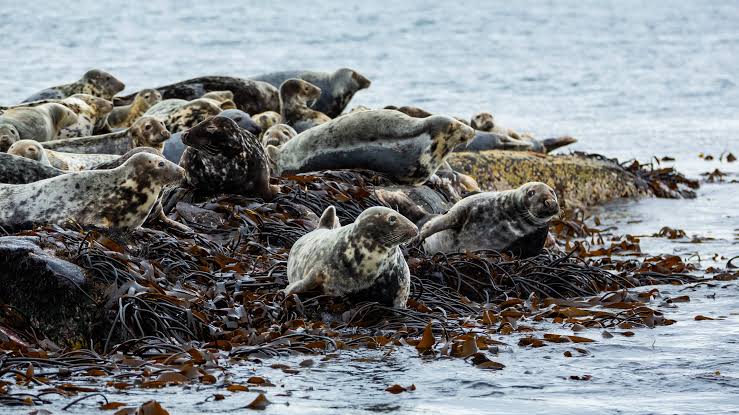
The North Devon coastline is a living landscape where wildlife thrives in protected habitats. Grey seals are perhaps the most captivating residents, often spotted bobbing in the surf or hauled out on rocky outcrops. While summer offers the most frequent sightings, autumn brings its own rewards as seal pups begin to appear along the coast. The waters around Baggy Point are particularly good for spotting these curious mammals, especially if you follow the easy access walk along the clifftop.
Seabirds are abundant throughout autumn. Herring gulls, fulmars, and cormorants are regular sights along the rugged coastline, while the globally threatened shag—a dark, large bird that breeds locally on Lundy—can often be spotted diving for fish. Dartford warblers and stonechats sing from the tops of gorse bushes, and if you're lucky, you might catch sight of guillemots and razorbills nesting on the steep cliff faces.
For something closer to home, the deer of North Devon are just as magical. Exmoor National Park, a short drive from Woolacombe, is one of the best places in the country to see red deer in the wild. Autumn is particularly special: the sound of stags bellowing during the rutting season is unforgettable, and early mornings or evenings offer the best chance of encounters.
Lundy Island: A Wildlife Sanctuary
No wildlife guide to North Devon would be complete without mentioning Lundy. This granite outcrop, sitting where the Bristol Channel meets the Atlantic, is one of England's most important seabird colonies. Accessible by ferry from Bideford or Ilfracombe between April and October the MS Oldenburg takes around two hours—the island offers a day trip unlike any other.
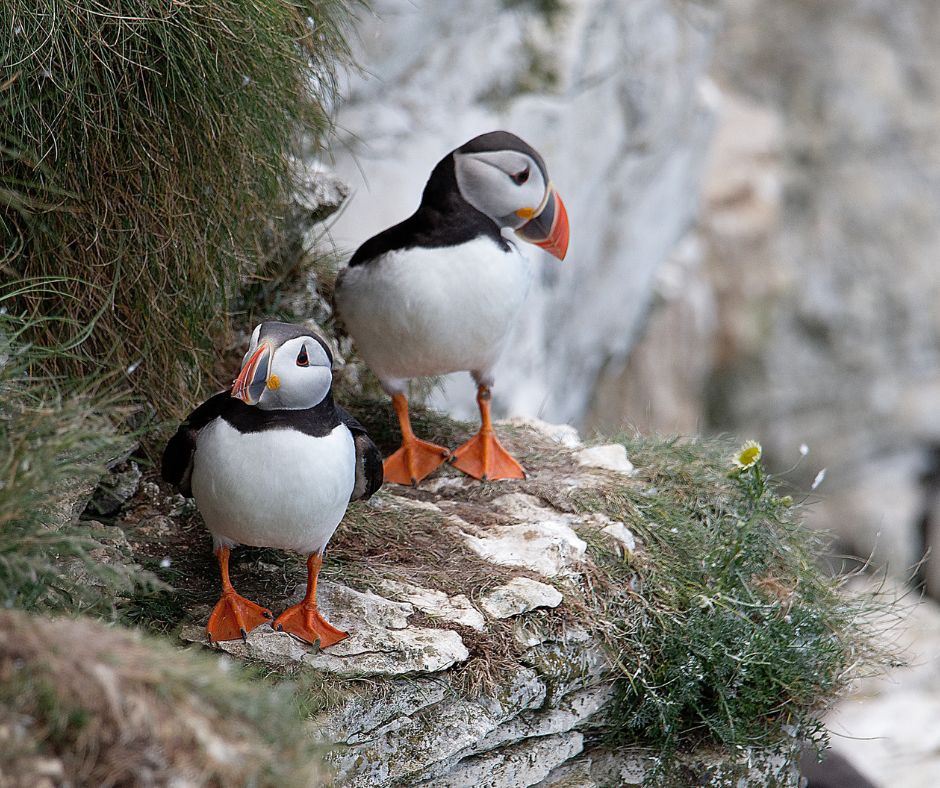
Lundy's conservation success story is remarkable. More than 40,000 seabirds now call the island home, including over 25,000 Manx Shearwaters and 1,335 Puffins. This represents a dramatic recovery: in 2000, just 13 puffins remained. A partnership between the RSPB, Natural England, the Landmark Trust, and the National Trust eradicated invasive rats, and the island was declared rat-free in 2006. Today, puffins can be spotted at Jenny's Cove and Phillip's Stone, though patience and a good eye are essential.
The waters around Lundy were designated England's first Marine Conservation Zone in 2010, and the marine life is extraordinary. Atlantic grey seals lounge on the rocks, and the island has a resident population of around 180. Dolphins—including bottlenose, common, and harbour porpoises are frequently sighted, and the deck of the MS Oldenburg offers a wonderful vantage point. Occasionally, lucky visitors spot minke whales or basking sharks.
Autumn's Palette: Flora and Colour
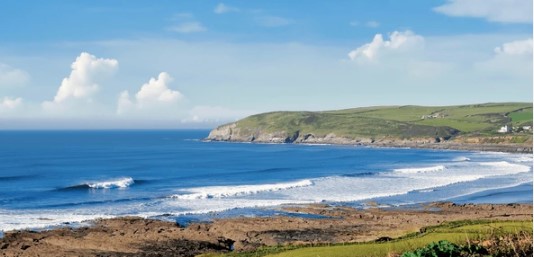
As the season progresses, the North Devon coast becomes a canvas of autumnal hues. Peppercombe Valley, a secluded combe tucked between Bucks Mills and Horns Cross, turns copper and gold in autumn, its foliage intensifying before winter strips it back to bare branch and grey-green lichen.
The coastal heathland around Baggy Point is vivid with gorse and heather in autumn, and flocks of migrant birds gather ready for their long journey south. The hedgerows are heavy with blackberries, juicy sloes, and wild raspberries a haven for foragers and a vital food source for wildlife. Even in autumn, the clifftops retain echoes of summer's colour: sea campion, pink thrift, and the last of the wildflowers provide flashes of brightness against the golden grasses.
The unique flora of the region includes rare species such as rock sea lavender and the spring and autumn squills found on Baggy Pointspecial members of the bluebell family. The lichen-encrusted stone walls dividing ancient fields add texture and colour to the landscape, while the wildflower meadow at Middleborough Hill continues to support late-season pollinators.
Making the Most of Your Autumn Visit
For the best wildlife encounters, bring binoculars and give yourself time. Early mornings and evenings are most productive, and patience is always rewarded. Remember to keep a respectful distance from all wildlife—the thrill is in sharing space with animals that call this remarkable region home. Whether you're scanning the horizon for dolphins from Baggy Point or exploring Lundy's cliffs in search of puffins, autumn on the North Devon coast offers moments of wonder that linger long after you return home.
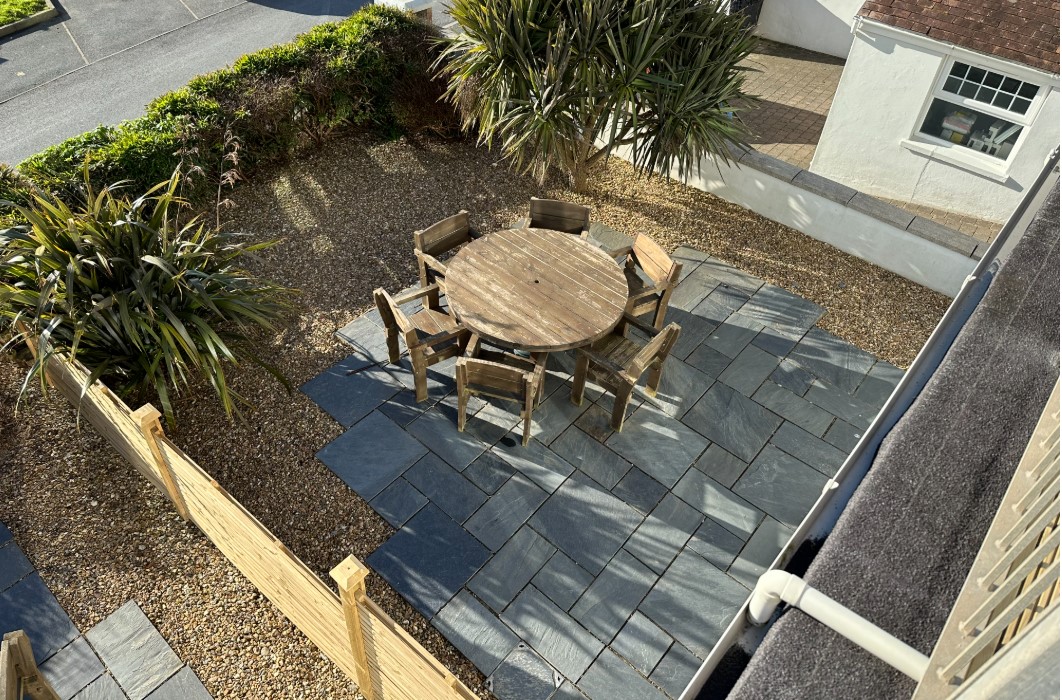
Make Southoverbeach Luxury North Devon Apartments your base for your Wildlife adventure. We have 8 units available for self-catering including a 2- person open plan penthouse, a spiral staircase duplex, 2 and 4 person ensuite units and our family garden apartment, which can sleep 6. Most have French windows to a balcony or patio overlooking the beach. In addition to this we have a 4 Bedroom garden duplex apartment located in Springfield Road, that sleeps up to 8.
There is digitally controlled central heating throughout our apartments as we are open all year. There is private parking and a security intercom to the apartments.