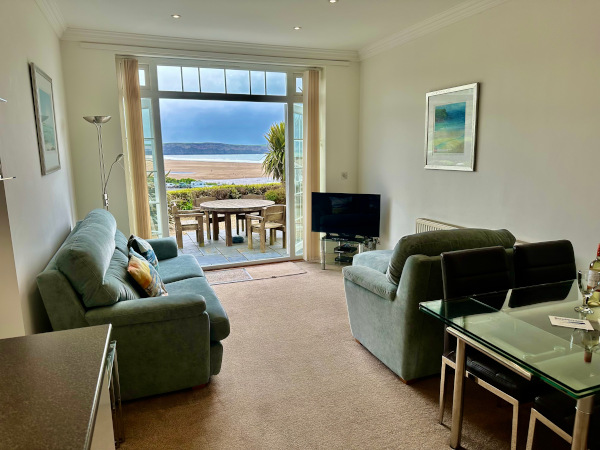
Few of us can spare long holidays, yet research and experience agree: even a short break — a weekend or a couple of days away — can do what weeks of trying never do. Stepping out of routine gives your mind “incubation” time: the unconscious rearranges information, mental fixation loosens, and fresh insight arrives. On the Devon coast this effect feels amplified. Salt air, wide horizons and the rhythm of waves help slow the mind and create space for new connections. Often the answer you’ve been chasing turns up exactly when you stop chasing it.
Why short breaks work
Reduced cognitive load: a change of scenery breaks repetitive thought patterns and reduces mental fatigue.
Mild physical activity: gentle walking stimulates creativity by promoting undirected thought.
Novelty and perspective: new sights, smells and local history provide material the mind recombines into fresh ideas.
Historical Inspiration
Devon’s coastline has a long history of inspiring visitors. From writers and explorers to engineers facing tough terrain, people have left the county with new plans and inventions. You don’t need to be famous to benefit — the same landscape that sparked others can help you find solutions to work projects, personal problems or creative block.
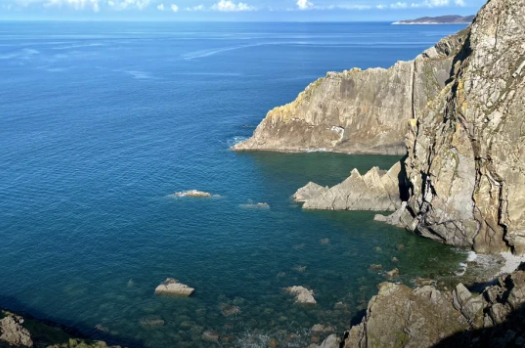
History gives us great illustrations of how the West Country’s coast has sparked ideas that mattered far beyond a single holiday. Agatha Christie, Torquay‑born and an avid lover of the South Devon landscape, used local houses, river quays and island retreats as the settings and sparks for some of her best plots; her holiday home Greenway on the River Dart became the model for scenes in novels such as Dead Man’s Folly. If you’ve ever found an answer while wandering a garden or a quay, you’re in good company. nationaltrust.org.uk
Engineering genius, too, has ties to Devon. Isambard Kingdom Brunel’s work on the rail routes and bridges that linked Devon to the rest of Britain — most notably the Royal Albert Bridge across the Tamar into Cornwall — shows how visiting a place, wrestling with its terrain and imagining a solution can produce projects that change transport, trade and everyday life. The landscape itself pushed engineers to invent new approaches and designs that solved local problems and then became national achievements. en.wikipedia.org
Even the explorers and naturalists connected to early English ventures overseas had roots in Devon that fed their ideas. Sir Walter Raleigh grew up near Budleigh Salterton in East Devon; his expeditions to the New World helped shape England’s overseas ambitions and he is popularly associated with bringing new plants and customs back to Britain — tales often talked about tobacco and potatoes, though historians note the story is more complicated than folklore suggests. Devon’s maritime ties and outgoing people fed curiosity that had global effects.
Those voyages also carried scientists who turned travel into knowledge. Thomas Harriot, who joined Raleigh’s Roanoke expedition in the 1580s, returned with careful observations and a published report that shaped how England understood the New World; his method — studying, recording and thinking about what he’d seen after returning home — is an early example of ideas matured by stepping away and reflecting on new experience.
What all these examples share is simple: change of place created change of mind. You don’t need weeks off or a dramatic, life‑altering trip. Short breaks work because they reduce mental fatigue, break cognitive fixation and give unconscious thought room to recombine information in new ways. That can mean a fresh strategy for a work project, a clearer emotional perspective on a personal challenge, or the seed of an idea that grows into something much bigger.
Make the most of a short Devon break
Set one small problem to “park” before you leave: give your unconscious something to chew on.
Pick gentle routes: walks that don’t demand constant focus leave room for wandering thought.
Carry a notebook or voice memo app — ideas often arrive on the move.
Include a mixture of cliff-top views, sheltered coves and a historic stop to spark connections.
Five restorative walking routes near Southover Beach
1) Southover Beach to the Clifftop Viewpoint — Easy, 30–60 minutes round trip
Start at Southover Beach and follow the cliff-top path for a short out-and-back stroll. The sea horizon and changing light make this an ideal opener for a weekend: short enough to fit around arrival and unpacking, but long enough to quiet urgent thoughts and invite a new perspective.
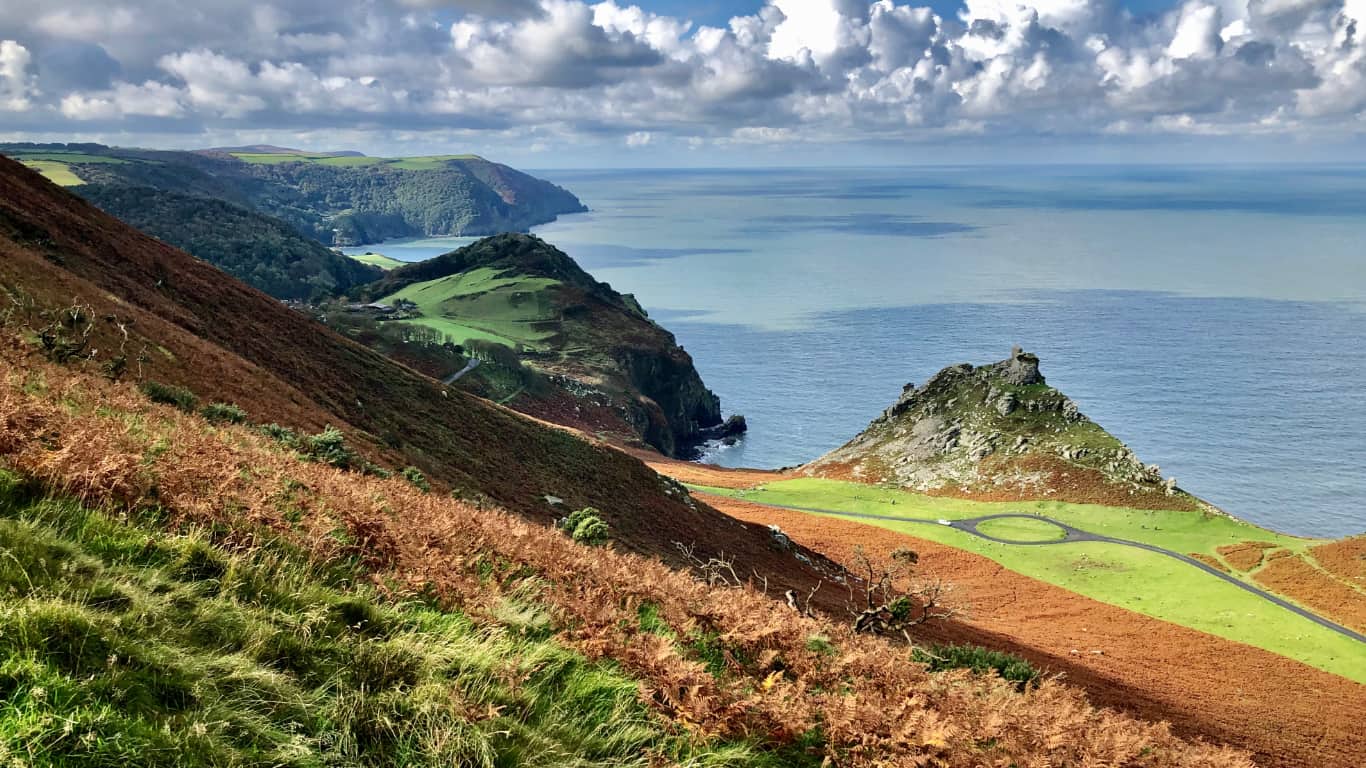
2) Valley of Rocks
Distance: 2.7 miles (4.3 km) Difficulty: Easy / Moderate
Details: Located in the Exmoor National Park, this cliff-top path treats you to jaw-dropping ocean views and dramatic rock formations. Keep an eye out for the feral goats roaming the cliffs.
3) Estuary and Marsh Walk — Easy, 45–90 minutes
If you prefer flat ground, look for a nearby estuary or marsh trail. These calm, wide landscapes encourage slow thinking. Birdsong and tidal rhythms help you sink into reflection without pressure.
4) Historic Harbour and Village Loop — Easy to Moderate, 1–2 hours
Combine a coastal section with time in a nearby village or harbour. Pop into a local museum, church or harbour quay and then sit quietly — contextual surprises and local stories are excellent prompts for new connections.
5) Sunrise or Sunset Cliff Circuit Short, 30–75 minutes
Bookend a day with a short circuit timed for sunrise or sunset. The changing light and quieter hours foster introspection. Many people find their clearest ideas arrive during these liminal times.
Practical tips for idea-friendly breaks
Turn devices to Do Not Disturb for large blocks; check messages at set times only.
Bring a small notebook and a pen, the act of writing often cements an insight.
Mix motion with pause: alternate 20–30-minute walks with sitting time to reflect.
Visit one historic site or local spot (a cottage, museum or harbour) to add fresh material for the mind to work on.
Final thought
A short break by the sea is more than rest; it’s a small, low-risk experiment in thinking differently. The Devon coast, with its cliffs, coves and maritime history, invites that shift. Book a weekend at Southover Beach, take a couple of simple walks, and you may return with more than a clearer head, then you may return with the idea you were looking for.
For that relaxed, inspiring home from home check out our facilities at Southoverbeach holiday apartments in Woolacombe Devon right in the heart of your passion.